A Buyer's Guide to Importing Secondhand Clothing into the UAE
For many buyers in the secondhand textile trade, used clothing import into the UAE is not the end of the journey but the middle of it. The UAE sits between Asia, Europe, and Africa, and its ports and free zones are built for goods that arrive, get handled, and move on. That makes the country a working re-export hub as much as a consumer market, which changes how a grader, wholesaler, or broker should think about bringing in a container. This guide covers the ports, the free-zone routes, HS 6309 classification, duty and re-export treatment, and how to source stock that suits a hub operation.
The UAE is a hub, not only a destination
Plenty of secondhand clothing is sold inside the UAE, but the larger story is movement. Because the country is positioned within reach of East Africa, the wider Gulf, and South Asia, a lot of stock that lands in Dubai or Sharjah is sorted, consolidated, and shipped onward. For a buyer, that means the value of a UAE base often comes from distribution: the ability to receive full container loads, break or grade them, and re-export to several markets from one location.
This is the first thing to get right. If you are planning to serve markets beyond the UAE, your import route, your free-zone choice, and your documentation should all be set up for onward movement from the start, not retrofitted later.
Ports and free-zone routes
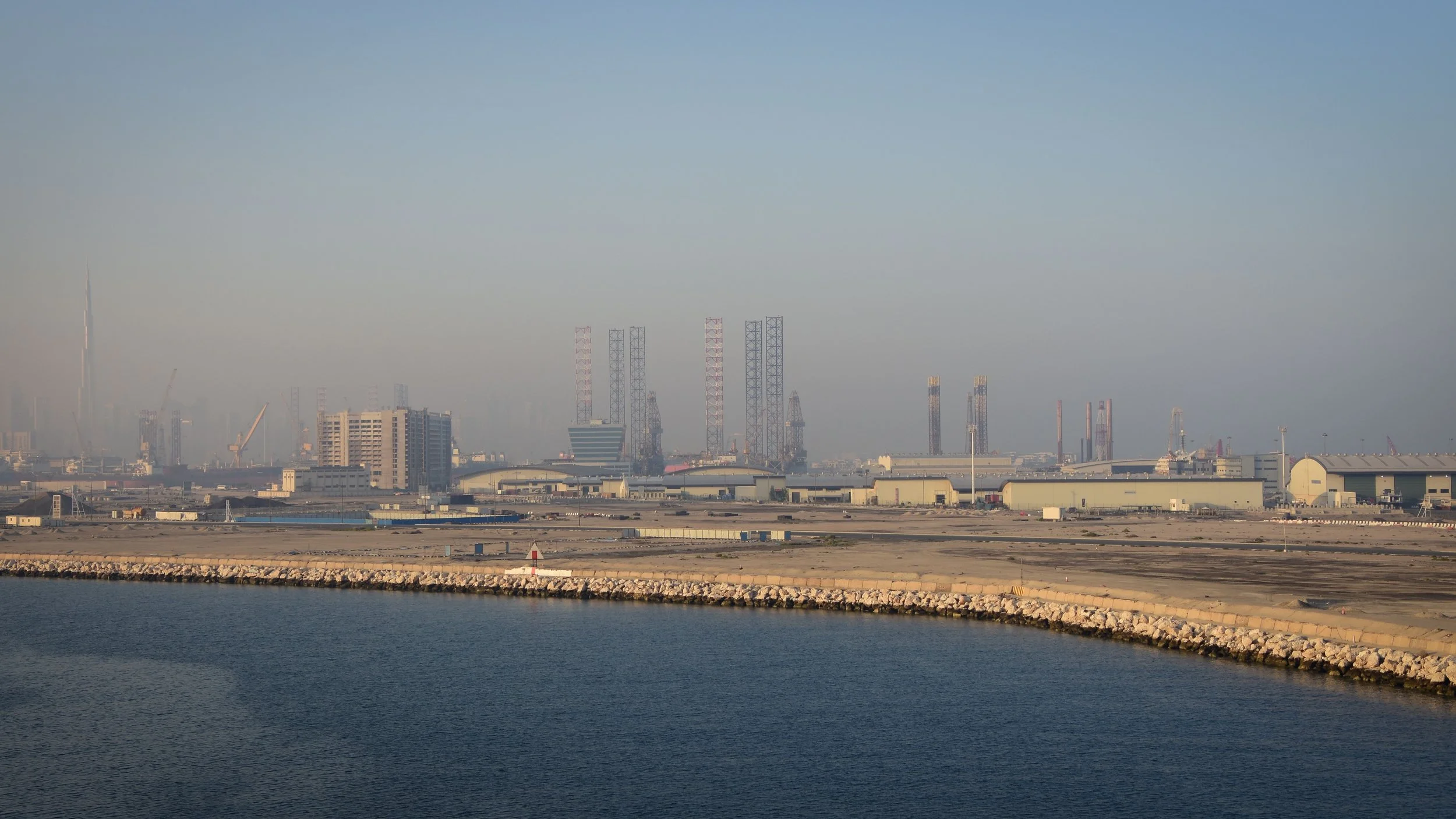
Most used clothing enters through the UAE's major container gateways, with Jebel Ali (Dubai), Khalifa Port (Abu Dhabi), and the Sharjah ports being the common points of entry. Sharjah's SAIF Zone in particular has a long-established cluster of secondhand clothing and footwear exporters.
The route that matters most for a hub operation is the free zone. Bringing a container into a free zone such as the Jebel Ali Free Zone (JAFZA) keeps the goods in a bonded environment designed for trade: streamlined customs handling, and stock that can be re-exported without entering the UAE domestic market. The practical distinction to understand is:
Free-zone import for re-export: goods stay in the bonded zone and move onward to other countries. This is the route most hub buyers use.
Mainland import for local sale: goods clear into the UAE domestic market and are treated as a standard import, with the duty and tax that applies to home-use goods.
Which route you choose shapes your costs, your paperwork, and your onward options, so decide it before the container sails, not after it arrives.
HS Code 6309 and classification
Used clothing is classified under HS code 6309, covering worn clothing and other worn textile articles presented in bulk, usually declared as 6309.00. Used footwear and some accessories can fall under different subheadings depending on material, so confirm the correct code for each line with your clearing agent. Accurate classification on your commercial invoice, packing list, and bale list keeps clearance smooth at a busy port like Jebel Ali, where storage and handling charges add up quickly if a container is held. Our guide to HS code 6309 explains the classification for buyers new to the trade.
Duty, VAT, and re-export treatment
For goods imported to the UAE mainland for home use, the standard customs duty is 5% of the CIF value, and the standard VAT rate is 5%, with VAT-registered businesses generally accounting for import VAT through their returns rather than paying it at the border. Duty and tax treatment can vary by goods and by scenario, so confirm the current position for your specific shipment with your customs broker.
The re-export advantage is where a hub operation benefits. Goods held in a free zone for re-export are generally not treated as a home-use import while they remain in the zone and move onward, which is precisely why so much used clothing is routed through UAE free zones rather than cleared straight to the mainland. If your plan is to distribute to Africa, the Gulf, or South Asia, the free-zone re-export route is usually the one to model first. For the detail on how the UAE free-zone re-export mechanics work in practice, watch for our dedicated companion guide, and in the meantime see how it works for how a shipment is prepared and documented.
Sourcing that suits a re-export base
A hub only works if the stock moving through it is worth re-exporting. If a container is heavy on strong, wearable grades, you can serve several onward markets and hold your margins. If it is thin on wearable pieces, you carry cost and handling on material that is hard to place.
That is why sourcing depth matters more for a UAE operation than almost anywhere else. Fastex sources credential clothing, mixed rags, and original donations from verified charitable and institutional collections across North America, Europe, the United Kingdom, and Australia. That multi-continent base gives an assortment with breadth across seasons, sizes, and garment types, which supports a higher wearable yield and gives you more to work with when you re-export to different climates and buyer profiles. You can read more about what we source before planning a container.
Fastex ships full 40-foot high cube container loads only, sourced from charity-verified collections, backed by SMART Association membership, and moving more than 700 containers a year. Every load travels with complete export documentation, which is what keeps a re-export chain clean from the first port to the last.
Getting started as a UAE buyer
If you are running or planning a hub operation, start by deciding your route: free zone for re-export, mainland for local sale, or both. Confirm the current duty, VAT, and free-zone treatment for your goods with a UAE customs broker, since the numbers and procedures are adjusted over time. Then match your sourcing to your markets: the wider the onward demand you serve, the more you benefit from a broad, wearable-heavy assortment. Get those three decisions right, route, cost, and stock, and the UAE becomes one of the more flexible bases in the whole trade.
Building a re-export operation through the UAE and need stock that holds up across several onward markets? Tell us the markets you serve and your target grades, and we will outline a container built for wearable yield and clean documentation. Message Fastex on WhatsApp at +971 55 839 3916 or email info@fastexgt.com to start a container enquiry.
You can also reach us through our contact page. From Donation to Destination.