India's Secondhand Textile Import Market: What Container Buyers Need to Know
India runs one of the most active secondhand textile economies in the world, and also one of the most tightly regulated. Used clothing imports into India do not work the way they do in Pakistan or the UAE: wearable secondhand clothing is a restricted import, and the trade has organized itself around that restriction in specific, practical ways. If you grade, sort, or recycle textiles in India, or you are weighing an entry into this market, understanding the structure before you commit to a container protects both your money and your clearance timeline. This guide covers how the Indian market is organized, what the restriction on HS 6309 actually means, the two working import routes, and the documentation a serious supplier should provide.
Why India matters in the global used clothing trade
India consistently ranks among the world's top importers of used and worn clothing. The volume is driven by two industrial clusters with very different needs.
The first is Kandla in Gujarat, where units inside the Special Economic Zone import wearable used clothing, sort and grade it, and re-export most of the output to markets in Africa, Asia, and beyond. Kandla is one of the recognized global hubs for secondhand clothing sorting.
The second is Panipat in Haryana, often called the shoddy capital of the world. Panipat's mills take unwearable textile material, open the fiber, and spin it into recycled yarn for blankets and other products. These mills consume large volumes of mutilated rags rather than wearable clothing.
A buyer in India is almost always serving one of these two demand streams, and the import rules treat them very differently.
The rule that shapes everything: HS 6309 is restricted
Under Schedule 1 of India's ITC(HS) import policy, worn clothing and other worn articles (Exim code 6309 00 00) are classified as Restricted. The classification was set out in DGFT Notification No. 43/2009-14 and remains in force on the DGFT restricted list. Our guide to HS 6309 explains how this classification works across the global trade.
Restricted does not mean banned. It means an importer needs an import authorization from the Directorate General of Foreign Trade (DGFT) before wearable used clothing can enter India. Authorizations for restricted goods are considered case by case through the DGFT's facilitation process, and in practice they have been closely tied to units operating inside Special Economic Zones with re-export obligations.
For a buyer, the practical takeaway is simple: nobody should offer you a container of wearable used clothing for free circulation in the Indian domestic market without an authorization behind it. Ask to understand the import basis before anything ships.
Route one: SEZ wearables for sorting and re-export
Most wearable used clothing enters India through SEZ units, with Kandla SEZ the established center. The model works like this: the unit imports original, unsorted clothing or credential clothing, grades it on sorting lines into export categories, and re-exports the sorted output. Only a limited share of what these units handle may be sold into the Indian domestic market, and such domestic clearance is subject to conditions, including the state of the goods. The zone framework exists to support processing and re-export, not domestic retail supply.
This makes India's wearable segment a graders' market. The buyers are professional sorting operations, and what they need from a supplier is consistency: stable composition bale to bale, honest ratios of original donations to institutional stock, and paperwork that clears the zone without queries. Our buyer's guide to credential clothing explains why unsorted, charity-verified stock produces the steadiest sorting yields, and that logic applies with full force in a re-export market like India.
Route two: mutilated rags for the recycling mills
Unwearable textile material, commonly traded as mutilated rags and classified under HS 6310, is treated differently from wearable clothing. Because the goods are raw material rather than clothing, they have not required the restricted-goods authorization that HS 6309 does.
The condition is that the goods must genuinely be mutilated. Long-standing Indian customs guidance describes complete mutilation as multiple cuts running across the length of the garment in a crisscross pattern, not along the seams, leaving the item unserviceable and beyond repair. Customs officers inspect for this, and a load that looks wearable invites reclassification, delay, or worse.
If you are buying for Panipat-style recycling, agree the mutilation specification with your supplier in writing before loading, and make sure the mutilation is done properly at origin. Duty and tax apply on import; rates change over time, so confirm the current rates for your exact code with your clearing agent or through the official ICEGATE portal rather than relying on any figure in an article.
Documentation Indian buyers should expect from a supplier
Indian customs and zone authorities expect used textile shipments to arrive with health and origin paperwork in order. A disinfection or fumigation certificate from the origin country is a standard requirement for worn clothing consignments, and clean commercial documents prevent most clearance queries before they start.
Before you book a container for India, confirm these points:
Import basis: your DGFT authorization or SEZ unit status covers the goods, or the load is genuinely mutilated rags under the correct code.
Mutilation specification: for recycling grades, the cut standard is agreed in writing and applied at origin.
Fumigation certificate: the supplier provides a disinfection or fumigation certificate from a licensed agency in the origin country.
Bale-level detail: a packing list and bale list that match what was actually loaded, category by category.
Current duty rates: confirmed with your clearing agent or ICEGATE for your exact HS code before the vessel sails.
Port and routing: the discharge port and inland routing match where your unit is actually allowed to clear the goods.
A supplier who hesitates on any of these points is telling you something useful.
Where Fastex fits for Indian graders and recyclers
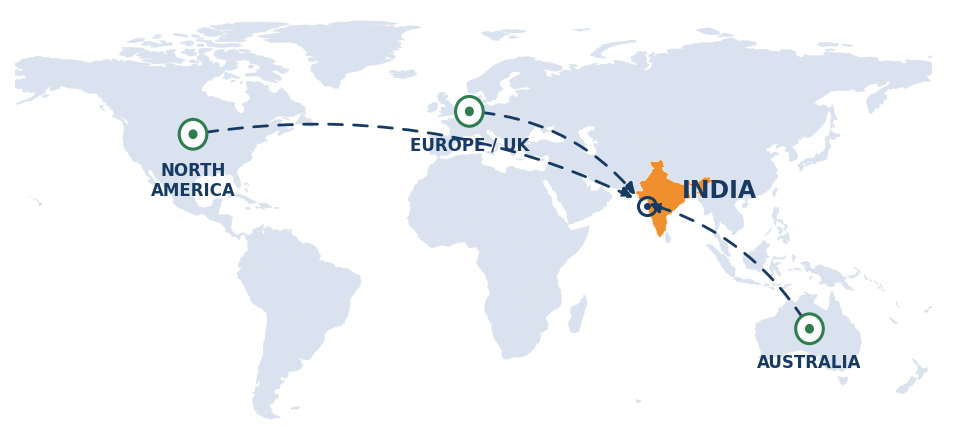
Fastex has exported secondhand textiles since 1997, sourced from verified charitable and institutional collections across North America, Europe, the UK, and Australia. India is one of our established markets.
For SEZ sorting units, that means credential clothing and original donations with consistent composition, because the stock comes from verified charity collection programs rather than mixed street collection. For recyclers, it means institutional mixed rags prepared to an agreed specification. Every container ships with full documentation, including fumigation certificates and detailed packing lists, and as a SMART Association member we operate to recognized industry standards. You can see the full product range on our what we source page, and the process from enquiry to loading on how it works.
Frequently asked questions
Is it legal to import used clothing into India?
Yes, but wearable used clothing under HS 6309 is a restricted import that requires DGFT authorization, and in practice most wearable imports flow through SEZ units for sorting and re-export. Mutilated rags under HS 6310 are treated differently because they are unwearable raw material.
What counts as mutilated rags for Indian customs?
Indian customs guidance treats garments as completely mutilated when they carry multiple cuts across the length of the garment in a crisscross pattern, not along the seams, making them unserviceable and beyond repair. Confirm the exact standard your clearing agent applies before loading.
Which Indian hub handles wearable used clothing imports?
Kandla in Gujarat is the established center, where SEZ units import, sort, and re-export wearable secondhand clothing. Panipat in Haryana is the main destination for recycling-grade mutilated rags.
What duty applies to used clothing imports in India?
Duty and IGST apply, and the rates depend on the HS code and current tariff notifications. Verify the current rates with your clearing agent or the official ICEGATE portal before you commit, because published rates change.
Does Fastex supply the Indian market?
Yes. India is one of Fastex's established markets. We ship credential clothing, original donations, and institutional mixed rags as full 40' HC container loads with complete export documentation.
Start a container enquiry
If you run a sorting unit or recycling operation buying for the Indian market, tell us your target grades, your import basis, and your destination port, and we will come back with what we can load and when. Message us on WhatsApp at +971 55 839 3916 or email info@fastexgt.com, or reach us through our contact page.
Sourced with Purpose. Exported with Precision.